
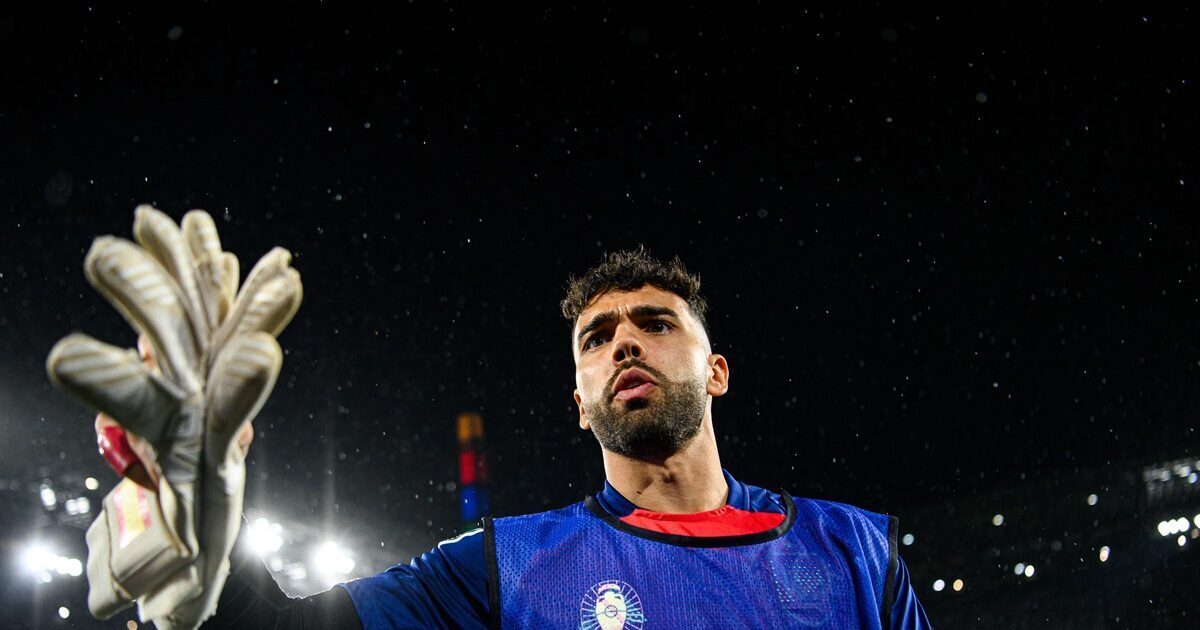
Choosing the best goalkeeper gloves is not simply a matter of buying the most expensive pair. A glove must fit your hand, suit the surface and provide the right balance between grip, protection and durability.
A premium latex palm can feel outstanding during a match but wear quickly on artificial turf. A heavily reinforced glove may protect the fingers, yet feel too restrictive for a goalkeeper who prefers close contact with the ball.
This guide compares eight current options for senior and junior goalkeepers. The recommendations consider manufacturer specifications, UK prices, glove construction and the playing conditions each model is designed to handle.
Prices were checked on 24 July 2026 and may change according to size, colour and retailer availability.
Readers looking for more equipment advice can visit the World in Sport sports guides hub or browse our wider football coverage.
The best goalkeeper gloves at a glance
adidas Predator Pro are the best overall goalkeeper gloves
The adidas Predator Pro offer the most complete balance of grip, cushioning and match-day comfort in this selection.
Their URG 2.0 latex palm provides a soft, tacky contact surface, while the negative-cut construction keeps the glove close to the fingers. That tighter shape should appeal to goalkeepers who want a direct feel when catching, parrying or distributing the ball.
The palm offers enough cushioning to take some of the sting out of powerful shots without making the gloves feel unnecessarily bulky. However, the soft latex requires careful treatment and will wear more quickly when repeatedly used on rough artificial surfaces.
The Predator Pro normally sit around the £110 mark, although adidas and other retailers regularly reduce older colourways. The current specifications and available prices can be checked on the official adidas Predator Pro product page.
Best for: Competitive goalkeepers who want a premium match glove with close-fitting fingers.
Possible drawback: The soft match latex is not the most economical choice for regular training on 3G pitches.
Reusch Attrakt Freegel Fusion deliver premium all-weather performance
The Reusch Attrakt Freegel Fusion are a strong choice for goalkeepers who play throughout the British season and cannot rely on dry conditions.
Reusch uses its Grip Fusion latex, which combines different particles within the palm to improve grip and abrasion resistance across wet and dry surfaces. The Evolution Negative Cut creates a close shape around the fingers, while the Freegel backhand aims to add support without restricting movement.
The AdaptiveFlex closure also provides more wrist stability than many modern strapless gloves. That makes this model suitable for goalkeepers who like a flexible body but still want a secure feeling around the wrist.
Reusch lists the glove for natural grass and artificial turf, although even durable premium latex will deteriorate more quickly on abrasive pitches.
Best for: Senior goalkeepers who regularly play in changing weather and want premium construction.
Possible drawback: The price places them firmly in the premium category.
Uhlsport FM Comfort Absolutgrip HN balance grip and durability
Uhlsport’s Absolutgrip foam has built a strong reputation among goalkeepers who want reliable grip without treating every pair as disposable match equipment.
The FM Comfort Absolutgrip HN uses a half-negative cut. This combines internal seams around parts of the fingers with a slightly more forgiving shape than a full negative-cut glove.
Uhlsport describes Absolutgrip as an all-round latex designed to balance adhesion and abrasion resistance. It performs most strongly in dry conditions but remains suitable when the ball and pitch become wet. The glove also includes an elastic entry, a dual wrist-fixation system and an embossed punching zone.
This is one of the most sensible choices for a club goalkeeper who wants one dependable pair for both matches and higher-quality training sessions.
Best for: Goalkeepers seeking a practical balance between match grip, comfort and lifespan.
Possible drawback: The half-negative cut may still feel tight on particularly broad hands.
Nike Vapor Grip3 provide a secure and familiar fit
The Nike Vapor Grip3 remain one of the most recognisable choices in the goalkeeper market.
Grip3 construction wraps foam around the thumb, forefinger and little finger. This increases contact around key catching areas and helps the glove remain stable during movement. Nike also uses its All Conditions Control texture to maintain grip in wet and dry conditions.
The fit feels structured rather than ultra-minimal. That should suit goalkeepers who want a secure glove without moving towards a heavily padded or finger-protection design.
At £109.99, the Vapor Grip3 face strong competition from specialist goalkeeper brands. However, they remain a dependable option for players who already know that Nike’s fit works for their hands. Full specifications are available through the official Nike Vapor Grip3 product page.
Best for: Goalkeepers who prefer a supportive fit with extra foam around important catching areas.
Possible drawback: Specialist brands offer comparable performance for less money.
Puma FUTURE Ultimate NC suit agile goalkeepers
The Puma FUTURE Ultimate NC are built around freedom of movement and a close negative-cut fit.
Puma has varied the thickness and elasticity of the knitted backhand so different parts of the glove provide flexibility or support where required. The redesigned wrist construction takes inspiration from the taping methods used by professional goalkeepers.
The result is a modern, relatively streamlined glove for players who dislike thick wrist straps and heavily padded bodies. It should particularly appeal to goalkeepers who distribute quickly and want their hands to move naturally.
The recommended retail price is around £110, although several colourways have appeared at substantial discounts.
Best for: Mobile goalkeepers who prefer a light glove and close contact with the ball.
Possible drawback: The knitted entry can be harder to pull on, particularly when the glove is new.
One Glove OG1 Type-R offer excellent match-day value
The One Glove has developed a strong following by offering high-specification goalkeeper gloves below the prices charged by several global sportswear brands.
The OG1 Type-R is associated with Arsenal goalkeeper David Raya and uses 4mm Pro Grade Contact latex. Its Vortex hybrid cut combines different finger constructions to create a close fit while retaining a useful catching area.
The breathable body and full latex strap give the glove a traditional element of wrist security without making it feel excessively heavy. At £64.99, it is one of the most attractive options for competitive goalkeepers who want premium match latex without paying more than £100.
Raya’s association gives the model genuine top-level relevance. The Arsenal goalkeeper recorded 19 Premier League clean sheets in 2025/26, and readers can revisit how he secured the award in our report on David Raya’s Golden Glove season. (Arsenal)
Best for: Club and grassroots goalkeepers seeking professional-style specifications at a mid-range price.
Possible drawback: The tight wrist entry may not suit keepers who prefer an easy, loose opening.
Sells Total Contact XC Champion Guard provide finger support
Finger-protection gloves divide opinion. Some goalkeepers appreciate the extra stability, while others believe rigid supports reduce their natural catching movement.
The Sells Total Contact XC Champion Guard are designed for players in the first group. The model combines a protective structure with German latex, an Acclimatize fabric body and an adjustable stretch strap.
The glove’s higher price makes it difficult to recommend for casual use. However, goalkeepers who have previously injured their fingers or feel more confident with support may consider the additional structure worthwhile.
No glove can prevent every sprain, dislocation or impact injury. Players recovering from an injury should follow appropriate medical advice rather than relying entirely on finger spines.
Best for: Goalkeepers who actively prefer finger protection and substantial wrist support.
Possible drawback: Expensive, with a more restrictive feel than an unprotected negative-cut glove.
adidas Predator Pro Junior are the best gloves for young goalkeepers
Junior goalkeepers do not necessarily need the cheapest available gloves. Poorly fitting palms and thin foam can make learning to catch more difficult, particularly in cold or wet conditions.
The adidas Predator Pro Junior bring several elements of the senior model into smaller sizes. These include URG 2.0 latex, shock-absorbing foam and a close-fitting cut.
The £50 recommended price is relatively high for junior gloves, especially when young players may outgrow them quickly. Sale prices can make them a much better purchase.
Parents buying a first pair for occasional training may prefer a less expensive model. However, the Predator Pro Junior are a credible choice for an academy or club goalkeeper playing regular competitive matches.
Best for: Junior club goalkeepers who need a genuine match glove.
Possible drawback: Young players may outgrow the gloves before wearing out the latex.
How to choose the right goalkeeper glove cut
The cut determines how the glove fits around the fingers. It can affect comfort, catching area and the closeness of the ball contact.
Negative cut
Negative-cut gloves have internal seams and sit closely around the fingers. They provide a direct feel and are popular among professional and advanced goalkeepers.
They work particularly well for narrow or average-width hands. A goalkeeper with broad hands may need to try a larger size or choose a roomier construction.
Roll finger
Roll-finger gloves wrap latex around the fingers. This creates a larger contact area and a more cushioned shape.
They often feel comfortable when catching but can be bulkier than modern negative-cut models.
Flat palm
Flat-palm gloves use external seams and offer a traditional, roomy fit. They are often easier for beginners to put on and may suit players with wider hands.
Hybrid cut
Hybrid gloves combine elements of two or more cuts. A manufacturer might use negative seams on the central fingers and wrapped latex around the outer fingers.
There is no universally superior cut. The best choice is the one that remains secure without pinching, twisting or leaving excessive space at the fingertips.
Which latex should you choose?
Soft premium latex normally supplies the strongest match-day grip. The trade-off is durability.
A premium palm can begin showing wear after only a few uses on a dry artificial pitch, especially if the goalkeeper uses the palm to push themselves back to their feet. Harder latex lasts longer but may feel less tacky when catching.
For that reason, many regular goalkeepers keep two pairs:
- A premium pair for matches
- A more durable pair for training and warm-ups
Goalkeepers who spend most of their season on synthetic surfaces should also read our guide to the best football boots for artificial grass.
Players struggling with tight footwear can compare the best football boots for wide feet.
Do goalkeeper gloves work in wet weather?
Modern goalkeeper gloves can perform effectively in the rain, but they need to be prepared correctly.
Many latex palms become more effective when slightly damp. A completely dry palm may not provide the manufacturer’s intended level of grip, while a saturated glove can become heavy and difficult to control.
Before kick-off, lightly moisten the palms with clean water. During the match, avoid wiping mud onto the latex from your shirt or socks.
Dedicated wet-weather palms can help in persistent rain, although an all-weather latex is usually more practical for a goalkeeper buying only one pair.
Should goalkeeper gloves have finger protection?
Finger protection can benefit young keepers who lack confidence, players returning from certain injuries and anyone who regularly experiences fingers bending backwards during saves.
However, spines can restrict movement. Some goalkeepers also become too reliant on them instead of developing strong catching technique.
Removable finger supports offer a useful compromise. They allow players to protect selected fingers or gradually move towards an unrestricted glove.
Finger protection should never replace suitable coaching, strengthening work or medical treatment.
How should goalkeeper gloves fit?
A goalkeeper glove should feel close without cutting off movement or circulation.
There should be a small amount of space at the fingertips, but the material should not fold or twist when the hand closes around the ball. The wrist must also remain secure when the goalkeeper punches or throws.
Manufacturers use different shapes, so the same size can feel noticeably different across adidas, Nike, Reusch, Uhlsport and Puma.
Measure both hands and use the larger measurement when consulting a brand’s size guide. Junior players should not buy gloves several sizes too large in the hope that they will grow into them. Loose gloves make clean handling more difficult.
How goalkeeper gloves evolved
Goalkeeper gloves are a relatively modern part of football equipment.
An early patent for leather goalkeeper gloves was filed by William Sykes in 1885, but gloves did not become a consistent part of the position for many decades. Goalkeepers often played bare-handed or used basic gloves only in poor weather.
Purpose-built designs became more common during the 1970s as manufacturers developed latex palms that offered better grip and impact absorption. Modern gloves now feature specialised cuts, removable finger supports, knitted bodies and different latex compounds for dry pitches, rain and artificial turf.
The equipment has changed dramatically, but technique remains more important than branding. Petr Čech recorded a Premier League record 202 clean sheets in 443 appearances, including a single-season record of 24 in 2004/05. Those numbers reflect positioning, concentration and defensive organisation rather than gloves alone.
How to make goalkeeper gloves last longer
Remove any protective plastic from the palms before use and follow the manufacturer’s instructions for an initial wash.
After playing, rinse loose dirt away with lukewarm water. Do not scrub the latex aggressively, place the gloves on a radiator or put them in a tumble dryer.
Allow them to dry naturally away from direct sunlight. Store the gloves in a breathable bag once they are dry, ensuring the palms do not remain pressed together for long periods.
Avoid using your palms to push yourself off the ground. Placing a closed fist on the pitch can reduce contact between the soft latex and abrasive surfaces.
Which goalkeeper gloves should you buy?
The adidas Predator Pro are the strongest all-round choice for a competitive goalkeeper who wants premium grip and a close match-day fit.
The Reusch Attrakt Freegel Fusion are better suited to goalkeepers who regularly face wet or changeable conditions, while the Uhlsport FM Comfort Absolutgrip HN provide a sensible balance between grip and durability.
The One Glove OG1 Type-R stand out for value. They offer professional-style latex and construction without moving into the £100-plus price bracket.
Young club goalkeepers should consider the adidas Predator Pro Junior, while players who specifically want finger support may prefer the more structured Sells Total Contact XC Champion Guard.
Above all, choose gloves that fit correctly and suit the surface. A comfortable £65 pair that matches your hand shape will usually perform better than a £150 glove that feels loose, restrictive or unsuitable for your pitch.
