
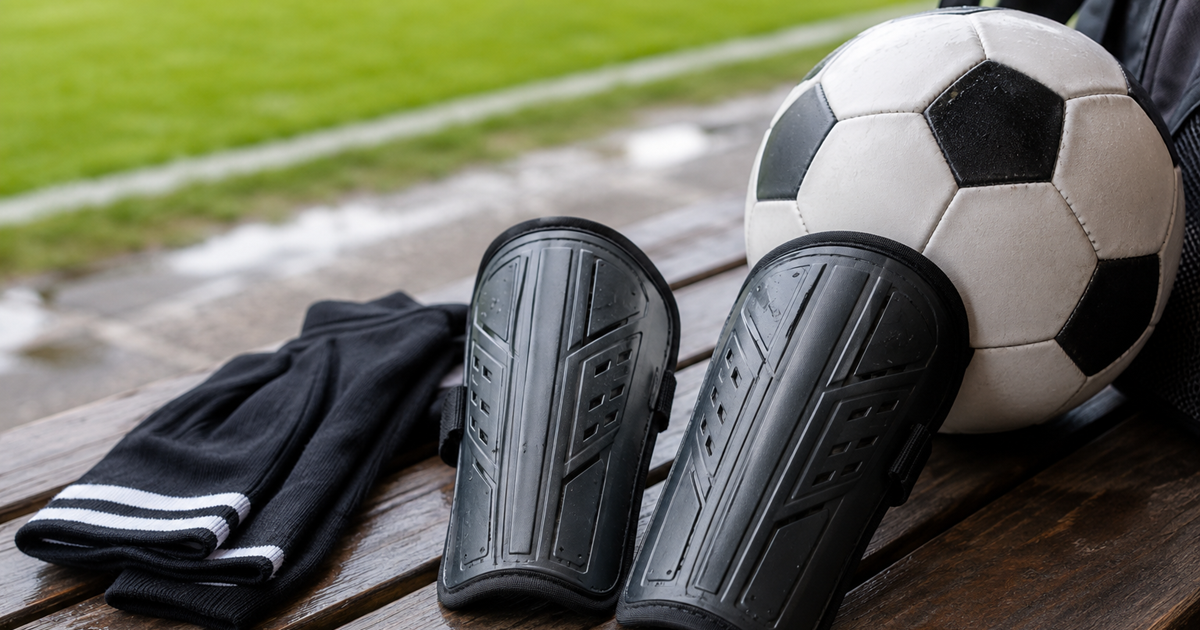
Choosing the best football shin pads does not require spending heavily on professional-level equipment. For beginners, casual players and anyone returning to five-a-side or grassroots football, FIT and coverage matter more than branding or an ultra-light design.
The adidas Tiro League are our best overall value choice while their current UK discount remains available. They combine a flexible shield, foam backing and separate compression sleeves at a price normally associated with more basic guards. However, players who want ankle coverage may prefer the adidas Tiro Match, while the Nike J Guard-CE offer a simple and affordable alternative.
This guide compares five widely available options across different budgets and designs. It uses published product information and current UK prices rather than personal testing.
Affiliate disclosure: World in Sport may receive a commission from selected product links at no additional cost to the reader. Recommendations are based on suitability, published specifications and value rather than commission rates.
Prices and availability were checked on 28 July 2026 and may change.
Readers looking for more equipment advice can explore the World in Sport sports guides or compare our recommended football boots for artificial grass.
Best Football Shin Pads at a Glance
Which Football Shin Pads Offer the Best Value?
The adidas Tiro League offer the strongest balance of price, FIT and everyday practicality at the current £11.50 sale price. They include compression sleeves, so buyers do not immediately need to purchase separate holders or tape.
That recommendation depends on the discount remaining available. Their standard £23 price places them closer to the Nike Charge and other mid-range guards, where personal preference becomes more important.
For players who need legal, affordable protection for occasional matches, the Nike J Guard-CE are easier to justify. Those who are new to contact football or prefer more coverage around the ankle should instead consider the adidas Tiro Match.
No shin pad can guarantee protection from injury. The aim is to choose a correctly sized guard that covers a reasonable area, remains secure and feels comfortable enough to wear throughout the match.
Adidas Tiro League: Best Overall Value
The adidas Tiro League Shin Guards are the standout value option at their current £11.50 sale price, reduced from £23.
They use a flexible shield with perforated foam backing and come with separate compression sleeves. That combination makes them a practical step up from basic guards held in place only by socks or elastic straps.
The sleeves are particularly useful for beginners. A guard that moves during a match becomes distracting and may leave part of the shin exposed. The pocketed sleeve helps control that movement without requiring large amounts of tape.
The design remains relatively low profile, making it better suited to players who dislike bulky ankle guards. However, it does not provide the same ankle coverage as the Tiro Match.
The main limitation is the sizing of the sleeve. Buyers should check both the shield size and how tightly the sleeve will FIT around the calf. A correctly sized shield is of little use if the accompanying sleeve feels excessively tight or continually rolls down.
At the discounted price, the Tiro League are difficult to beat for training, five-a-side and regular grassroots matches. At the full £23 price, they remain a reasonable option, but the advantage over competing designs becomes smaller.
Advantages:
- Flexible shield with foam backing
- Compression sleeves included
- Secure, low-profile design
- Strong value at the current sale price
Disadvantages:
- No attached ankle guard
- Sleeve FIT may not suit every calf shape
- Less compelling if the price returns to £23
Nike J Guard-CE: Best Simple Budget Option
The Nike J Guard-CE Football Shin-guards cost £13.99 and take a more traditional approach. Each guard has a contoured shell, dense foam backing and a stretchy strap to help hold it against the leg.
This uncomplicated design makes sense for casual players who do not want to manage separate compression sleeves. The left and right guards have specific shapes, which should help them sit more naturally against the shin when correctly fitted.
Nike lists the model as CE- and NOCSAE-certified. Certification does not mean the guard can prevent every injury, but it provides more useful information than an unbranded product making broad protection claims without supporting detail.
The strap system will not appeal to everyone. Elastic can feel restrictive if overtightened, while a loose strap can allow the guard to shift. Players may still choose to wear a sleeve over the top for greater security.
The J Guard-CE are a sensible choice for school football, occasional five-a-side and beginners who want a recognised model without paying for additional technology.
Advantages:
- Affordable standard price
- Lightweight contoured shell
- Foam cushioning
- Straps included
- CE and NOCSAE certification listed by Nike
Disadvantages:
- Straps may feel less comfortable than sleeves
- Less ankle coverage than a match-style guard
- Hand washing required
Adidas Tiro Match: Best for Ankle Coverage
The adidas Tiro Match are the best choice in this group for players who want more coverage around the lower leg. They combine an EVA-backed hard shield with padded ankle guards and a hook-and-loop fastening.
That construction is bulkier than a simple slip-in pad. Still, the extra structure can feel more reassuring to beginners, younger players and anyone uncomfortable with the tiny shin guards sometimes seen in professional football.
The current adult model was listed at £10, reduced from £20, when this guide was prepared. A children’s version was also available at £10, although colours, discounts and sizes varied.
The attached ankle section makes the Tiro Match less convenient to put on and remove. It may also feel warm during long sessions. However, players who regularly compete in crowded midfield areas or on hard artificial surfaces may consider the additional coverage worth the trade-off.
These are not automatically safer in every match situation, and ankle padding cannot eliminate the risk of injury. Their advantage is simply that they cover more of the lower leg than most compact slip-in guards.
Advantages:
- Hard shield with EVA backing
- Attached padded ankle guards
- Adjustable fastening
- Good value at the current sale price
Disadvantages:
- Bulkier than sleeve-based guards
- Can feel warmer
- Less convenient to remove
- Current discount may be temporary
PUMA ULTRA Flex: Best Flexible Sleeve Design
The PUMA ULTRA Flex use a flexible thermoplastic polyurethane shell rather than a rigid traditional plate. PUMA pairs the shell with perforated EVA backing and a compression sleeve containing a slip pocket.
The main appeal is comfort. The flexible shell can follow the shape of the leg more closely, while the sleeve keeps it separate from the skin and helps prevent movement.
PUMA listed the black and silver model at £10, reduced from £20, when prices were checked. The brand’s size guide bases the guard size on player height, ranging from smaller junior options to XL for players measuring between 180cm and 200cm.
The ULTRA Flex are well suited to casual players who want a guard that feels less rigid than a conventional shell. They should also work well for training, provided the sleeve fits securely and remains comfortable behind the calf.
The flexible construction should not be mistaken for a guarantee of greater protection. PUMA describes the shell as impact resistant and the backing as shock absorbing, but these remain manufacturer claims rather than independent findings from World in Sport.
Advantages:
- Flexible shell
- Compression sleeve with holding pocket
- Perforated EVA backing
- Clear height-based sizing guidance
- Strong value at the discounted price
Disadvantages:
- Sale price may not last
- Sleeve FIT remains important
- Less ankle coverage than the Tiro Match
Nike Mercurial Lite: Best Lightweight Upgrade
The Nike Mercurial Lite costs £32.99, making it the most expensive recommendation in this guide. They are not the best choice for buyers focused only on price, but their lightweight design may suit regular players who find cheaper guards too bulky.
Nike uses a low-profile shell with soft, perforated foam. Stretch sleeves hold the guards in position and use the brand’s Dri-FIT material to manage moisture.
The Mercurial Lite are available in sizes from XS to XL. Nike advises buyers to choose shin-guard sizes according to height rather than relying solely on age or clothing size.
Compared with the adidas Tiro League, the Mercurial Lite are considerably more expensive at current prices. Their case rests on the slimmer construction, established size range and moisture-managing sleeves rather than on basic value.
Beginners do not need to spend this much. However, a player training several times each week may prefer paying more for a lighter setup that feels less intrusive under the sock.
Advantages:
- Lightweight, low-profile design
- Perforated foam backing
- Stretch sleeves included
- Broad size range
Disadvantages:
- Significantly more expensive
- No attached ankle protection
- Hand washing required
- Benefits may not justify the price for occasional players
What Beginners Should Compare Before Buying
Coverage
A guard should cover a meaningful part of the shin rather than simply meeting the minimum requirement to have something beneath the sock.
Very small guards have become visible in elite football, but professional appearances should not determine what a beginner buys. Elite players make their own decisions about comfort and coverage, often with access to medical and equipment support unavailable in grassroots football.
The Laws of the Game do not provide one universal minimum measurement. Players are responsible for choosing shin pads whose size and material provide reasonable protection. Referees check that the guards are worn and covered by socks.
For a broader explanation of required equipment, fouls and match laws, read our guide to the rules of football.
FIT
Shin pads should sit over the front of the shin without pressing painfully into the ankle or knee. They must remain in position while running, turning and striking the ball.
Most brands use height as the main sizing measurement. Players with particularly narrow or wide calves should also consider the sleeve circumference and strap length.
When between sizes, compare the manufacturer’s chart rather than automatically choosing the smallest option. A compact guard may feel lighter, but reduced coverage can make it a poor choice for beginners.
Retention System
Slip-in guards rely on socks, sleeves or tape. They are light and easy to remove, but a loose setup can move during play.
Sleeve guards place the shield inside a fitted fabric pocket. They usually offer the best balance of security and comfort for casual adult players.
Strap guards use elastic or hook-and-loop fastenings. They are simple, although straps can rub or feel tight.
Ankle guards add padded material beneath the shield. They provide more coverage but also create a bulkier FIT inside the sock.
Materials and Cushioning
Most affordable guards combine a plastic or flexible synthetic shell with foam backing. The shell spreads impact across a wider area, while the foam creates cushioning between the shield and the leg.
A thicker or more rigid pad is not automatically the right choice for every player. It still needs to FIT correctly, remain in place and allow comfortable movement.
Buyers should treat phrases such as “maximum protection” carefully. No manufacturer can guarantee that a shin pad will prevent fractures, cuts or ankle injuries in every collision.
Price
Beginners can find suitable branded guards for around £10 to £15 during sales. Spending more usually brings a lower-profile shape, lighter construction, specialist sleeves or different materials.
It does not necessarily bring proportionately greater protection.
Casual players should first spend enough to obtain the correct size and a secure FIT. Paying £30 or more makes sense only when the lighter design or improved comfort will be used regularly.
How Football Shin Pads Evolved
Football shin pads have a much longer history than modern compression sleeves suggest.
Nottingham Forest player and Nottinghamshire cricketer Sam Weller Widdowson is widely credited with introducing them to football in 1874. He adapted cricket pads and wore them outside his stockings before smaller designs became accepted across the sport.
Modern guards now appear beneath the sock at every level, from school and Sunday league football to international matches. Their shape has changed considerably, but their basic purpose remains the same: placing a protective layer between the shin and an impact.
There are no meaningful performance records attached to wearing a particular shin-pad model. A guard does not make a player faster, improve passing or reduce every injury risk. Professional appearances and endorsements may increase a product’s visibility, but FIT, coverage and comfort remain more useful buying measures.
How Should Football Shin Pads FIT?
Position the top of the pad below the knee, leaving enough room for the joint to bend freely. The lower edge should not dig into the ankle when running or flexing the foot.
After putting on the sock, jog, turn and make several kicking movements. The pad should stay over the shin without sliding towards the inside or outside of the leg.
A guard that repeatedly moves is usually too small, incorrectly positioned or held by an unsuitable sleeve. Replacing the sleeve may solve the problem without requiring an entirely new set.
Players using grip socks often wear a separate leg sleeve over the pad. Match rules still require the shin guard to be covered.
How to Clean and Maintain Shin Pads
Check the manufacturer’s care label before washing. Several Nike models in this guide require hand washing, while sleeve materials may need different treatment from the guards themselves.
Remove detachable shields from their sleeves after use. Allow every part to dry naturally before returning it to a closed kit bag.
Do not place guards directly on a radiator or other strong heat source. Heat can affect synthetic shells, foam and elastic materials.
Replace shin pads when the shell cracks, the backing separates or the retention system no longer holds them securely. Persistent odour, stretched sleeves and damaged straps can also indicate that replacement is due.
Players who regularly use artificial surfaces may also benefit from choosing suitable boots for 3G pitches.
Those struggling with pressure across the forefoot can compare our guide to the best football boots for wide feet.
Final verdict
The adidas Tiro League are the best football shin pads for value at their current £11.50 sale price. They provide a flexible shield, foam backing and compression sleeves without moving into the premium price range.
The Nike J Guard-CE are the better fallback when the adidas discount ends. Their £13.99 standard price, contoured shell and included straps make them a straightforward option for beginners and occasional players.
Choose the adidas Tiro Match when ankle coverage matters more than a slim FIT. The PUMA ULTRA Flex suits players who prefer a flexible sleeve design, while the Nike Mercurial Lite are the strongest upgrade for regular players prepared to pay more for a lighter setup.
The best choice is ultimately the guard that fits correctly, stays in place and covers a reasonable area of the shin. Brand, professional appearances and price should remain secondary to those basic requirements.
