
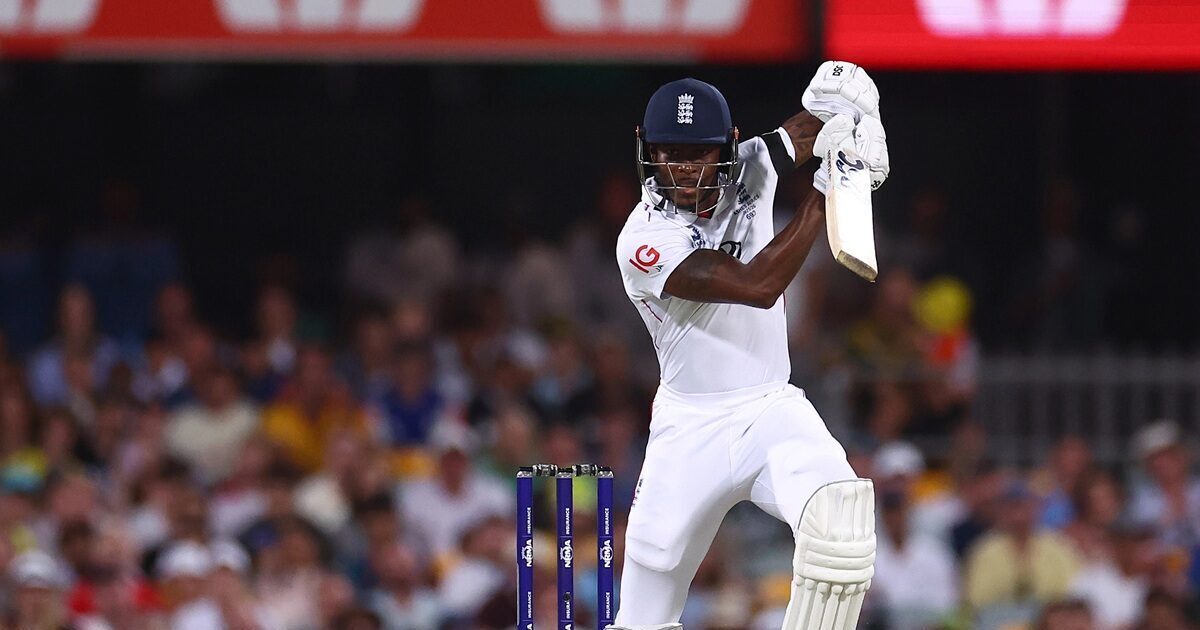
Test cricket gives each team two innings and, unlike ODI or T20 cricket, does not impose a fixed number of overs on those innings. A team can keep batting until it is all out, declares, forfeits the innings or has no further batter available.
To win, a team must score more runs across its completed innings than its opponent and take enough wickets to complete the required opposition innings before time runs out. If the match reaches its scheduled end without a winner, it is usually a draw. A tie occurs only when every innings has been completed, and the aggregate scores are level.
This guide reflects the ICC men’s Test playing conditions effective from June 2025 and the ICC women’s Test playing conditions effective from July 2026. The information was checked on 1 August 2026.
The MCC Laws of Cricket provide the game’s underlying laws, while the ICC Men’s Test Match Playing Conditions set the detailed rules for men’s international Tests.
Readers who are new to the sport may also find World in Sport’s guides to Cricket Rules and Match Formats and How the Five-Day Test Format Works useful.
The Basic Test Match Structure
A men’s Test match is scheduled over five days, with six hours of play each day. Each side can bat twice, meaning a completed match may contain four separate innings.
The usual order is:
- Team A’s first innings
- Team B’s first innings
- Team A’s second innings
- Team B’s second innings
That order can change if the team batting first enforces the follow-on. An innings can also be skipped if a captain forfeits it.
| Feature | Men’s Tests | Women’s Tests |
|---|---|---|
| Innings per side | Two | Two |
| Fixed over limit per innings | No | No |
| Scheduled match duration | Five days | Four- or five-day scheduled window under current ICC conditions |
| Normal daily over target | 90 overs | 100 overs |
| Follow-on lead in a five-day Test | 200 runs | 200 runs |
| Follow-on lead in a four-day Test | 150 runs | 150 runs |
The current women’s conditions allow a match to have a four- or five-day scheduled duration, including possible arrangements for a rest or reserve day. However, they state that play must not take place on more than four days. Competition-specific conditions should therefore be checked before a women’s Test begins.
What Is an Innings in Test Cricket?
An innings is one team’s turn to bat. In Test cricket, each side is entitled to two innings unless the match ends before all four are needed.
The team that wins the toss chooses whether to bat or field first. Once the captain has informed the opposition and umpires of that decision, it cannot be changed.
An innings is completed when:
- The batting side is all out.
- A wicket falls, or a batter retires, and nobody else is available to bat.
- The captain declares the innings closed.
- The captain forfeits the innings before it begins.
There is no requirement for a team to use a certain number of overs. One innings might last fewer than 30 overs if wickets fall quickly. Another could continue for more than 150 overs if the batting team remains at the crease and its captain chooses not to declare.
The match clock still matters. A team that bats for a long time may build a large score, but it also leaves itself less time to dismiss the opposition and force a result.
How Overs Work in Test Cricket
An over consists of six valid balls delivered from the same end of the pitch.
A no-ball or wide does not count as one of those six valid deliveries, so an additional ball must be bowled. Certain dead-ball situations also result in a delivery not counting. The umpire calls “Over” once six valid balls have been completed, and the ball is dead.
Bowlers operate from alternating ends. A bowler cannot deliver two consecutive overs, although they can change ends later in the innings. Unlike limited-overs cricket, Test conditions do not impose a standard maximum number of overs that one bowler may deliver during an innings.
There is also no limited-overs powerplay. The fielding side can alter its field throughout the innings, subject to the wider Laws and Test playing conditions.
World in Sport’s Cricket Powerplay Rules Guide explains how those restrictions work in ODI and T20 cricket.
Does Each Team Receive 90 Overs?
No. The figure of 90 overs applies to a normal day of men’s Test cricket, not to an individual team or innings.
On each of the first four days. Play is scheduled to continue until at least 90 overs have been bowled or the scheduled finishing time has been reached, whichever is later. Permitted overtime is limited, and interruptions can reduce or alter the calculation.
On the final day, the men’s conditions provide for at least 75 overs before the last hour. A minimum of 15 overs must then be delivered during that last-hour period, subject to adjustments for interruptions.
| Playing condition | Men’s Tests | Women’s Tests |
|---|---|---|
| Scheduled play per day | Six hours | Six hours |
| Target on non-final days | 90 overs or 15 per hour | 100 overs or 16.67 per hour |
| Final-day overs before the last hour | 75 | 83 |
| Minimum overs in the last hour | 15 | 17 |
These are minimum targets under uninterrupted conditions, not guarantees that every day will contain exactly that number. Weather, bad light, injuries, reviews and other delays can affect the amount of cricket played.
The playing conditions allow lost time to be recovered through extended sessions and by altering start or finish times. If enough time is lost, the minimum number of overs is recalculated.
Why Can a Test Innings Continue for Several Days?
Test cricket tests whether a bowling side can dismiss its opponent rather than simply waiting for an over allocation to expire.
A batting team can therefore continue as long as it has batters available, unless its captain declares. This creates a strategic balance between runs and time.
A team that bats for two days may establish a strong position, but the match could still be drawn if there is not enough time to complete the remaining innings. A captain must decide when the value of additional runs becomes smaller than the value of extra overs in which to bowl at the opposition.
That calculation changes with the pitch, the weather forecast, the strength of the bowling attack, and the match situation. It is cricketing judgement rather than a fixed rule.
What Is a Declaration?
A declaration allows the batting captain to end an innings voluntarily before the team is all out.
Under the Laws and ICC conditions, a captain may declare when the ball is dead at any time during the innings. The declaration makes the innings complete. The captain must notify the opposing captain and umpires, and the decision cannot be reversed once it has been communicated.
Captains usually declare because they believe their team has enough runs and now needs time to take wickets.
Consider a simplified hypothetical example. Team A reach 480 for six late on the second day. The captain could continue batting in pursuit of 550, but that would use more time. Declaring at 480 gives the bowlers an earlier opportunity to attack Team B.
A second-innings declaration can create a target. If Team A lead by 320 runs. And believe the opposition cannot chase that total safely in the remaining time, the captain may declare and attempt to take all 10 wickets.
The decision carries risk. Declaring too early can leave the opposition with a reachable target. Declaring too late can leave the bowling side too little time to force a win.
How Is a Forfeiture Different from a Declaration?
A declaration closes an innings that has already begun. A forfeiture gives up an innings before it starts.
A captain may forfeit either of their team’s innings before that innings commences. The forfeited innings is treated as completed, and the decision cannot be changed once the opposition and umpires have been informed.
Forfeitures are extremely uncommon because the team gives up an entire opportunity to score runs. They may become relevant when unusual weather or match circumstances leave very little time, and both sides are trying to create the possibility of a result.
Forfeiting an innings is not the same as conceding the match. The team remains in the contest, but the forfeited innings counts as one of its two completed innings.
What Is the Follow-On?
The follow-on allows the team that batted first to make its opponent bat for a second consecutive innings.
In a standard five-day Test, the option becomes available when the first team holds a lead of at least 200 runs after both sides have completed their first innings. The follow-on is optional rather than automatic. Once the captain confirms the decision, it cannot be changed.
For example, suppose Team A score 500 and dismiss Team B for 280. Team A lead by 220 runs and may enforce the follow-on.
The innings order would then become:
- Team A first innings: 500
- Team B first innings: 280
- Team B second innings
- Team A second innings, but only if required
If Team B make 190 in their second innings, their combined total is 470. Team A’s first-innings score is still 30 runs higher, so Team A Win by an Innings and 30 runs without batting again.
If Team B instead score 300, their combined total becomes 580. Team A then need 81 runs to win.
The follow-on threshold depends on the scheduled duration:
| Scheduled match duration | Minimum first-innings lead |
|---|---|
| Five days or more | 200 runs |
| Three or four days | 150 runs |
| Two days | 100 runs |
| One day | 75 runs |
If the entire first day is lost without any play, the applicable threshold is based on the number of days remaining at the start of play.
Captains do not always enforce the follow-on. The bowlers may need a rest, the pitch may deteriorate, or the leading team may prefer to bat again and set a larger target.
How Is a Test Match Won?
A Test is won when one side has scored more aggregate runs than its opponent and the necessary opposition innings have been completed.
The wording of the result depends on which team is batting when the match ends.
A Win by Wickets
A team wins by wickets when it bats last and reaches its target before being dismissed.
Here is a simplified hypothetical example:
- Team A score 350 and 250, giving an aggregate of 600.
- Team B score 300 in their first innings.
- Team B therefore need 301 in their second innings to win.
- Team B reach 301 for seven.
Team B win by three wickets because they had three wickets still available when they passed the target.
A Win by Runs
A team wins by runs when it is fielding last and dismisses the chasing side before the target is reached.
Using the same totals, Team B need 301 if they are dismissed for 280; Team A win by 20 runs.
A Win by an Innings
A team wins by an innings when its one completed innings exceeds the total of both opposition innings.
For example:
- Team A scores 500.
- Team B scores 220 and 250.
- Team B’s combined total is 470.
Team A wins by an innings and 30 runs. They do not need to bat for a second time.
What Is the Difference Between a Draw and a Tie?
A draw and a tie are separate results.
A tie occurs only when every innings has been completed, and the aggregate scores are exactly level.
For example, if both teams finish their two completed innings with aggregate totals of 600, the match is tied. The team batting last must have completed its innings, normally by losing its final available wicket.
A draw occurs when the match reaches its permitted end without a win or tie.
Suppose a team need 301 to win but finishes the final day on 250 for five. Their innings is not complete, and they have not reached the target. The match is drawn.
A level score at the close does not automatically produce a tie. If the side batting last still has wickets available and its innings has not been completed, the result is a draw.
What Happens when Rain or Bad Light Stops Play?
The umpires decide whether the ground, weather or light makes play dangerous or unreasonable. Conditions do not have to be perfect, but play must be suspended if there is a foreseeable safety risk or it would not be sensible to continue.
Officials may extend playing time, bring forward later start times or recalculate the minimum overs. However, lost time cannot always be recovered.
Test cricket does not use the Duckworth–Lewis–Stern method to create a revised target simply because overs have been lost. The existing match scores and innings remain in place. If there is not enough time to complete a result, the match ends as a draw.
This is one reason the weather can have such a significant effect on Test cricket. A dominant team still needs enough playing time to complete the opposition’s innings.
Can the Captains Agree to End a Drawn Test?
Captains cannot simply end the match whenever they decide that a draw looks likely.
Under the current men’s ICC conditions, they may agree to finish on the final day when both accept that neither side has a realistic prospect of victory. That agreement can take effect only after the scheduled commencement of the last hour has been reached, or when a minimum of 15 overs remain, whichever comes later.
The equivalent women’s condition uses a minimum of 17 overs because women’s Tests operate with a higher daily over target.
Until those conditions are met, play continues unless the match ends in a win, tie, concession, an awarded result, or due to conditions that prevent further play.
Do World Test Championship Matches Use Different Result Rules?
The basic laws governing innings, declarations, follow-ons, wins, ties and draws remain the same.
However, World Test Championship matches also award championship points. A win, draw or tie therefore affects both the series result and the championship table. Slow-over rates can also lead to point deductions under the competition regulations.
World in Sport’s guide to the World Test Championship Format, Points and Final Qualification explains that separate league system.
Match-specific regulations may occasionally add reserve days or other procedures, particularly for finals. Those competition arrangements should not be mistaken for universal Test rules.
Common Test Cricket Misunderstandings
The 90-over figure is not an innings limit. It is the normal minimum target for a full day in men’s Tests.
A declaration is not a concession. The declaring team ends its batting innings but continues trying to win the match.
The follow-on is not automatic. The eligible captain chooses whether to enforce it.
A draw does not mean the scores are level. It usually means time expired before either team could complete a win.
A tie requires equal aggregate scores and completed innings. It is therefore much rarer than a draw.
A team does not always need to bat twice. It may win by an innings, reach a fourth-innings target or complete the match before its second innings becomes necessary.
Further rules, format guides and current coverage are available through World in Sport’s Cricket News and Guides Hub.
Frequently Asked Questions
How Many Innings Are Played in Test Cricket?
Each team is entitled to two innings, creating a maximum of four. The match can finish before all four are played.
How Many Overs Are There in a Test Innings?
There is no fixed over limit. An innings continues until it is completed through wickets, a declaration, a forfeiture or the absence of another available batter.
Can a Test Innings Last Longer than 90 Overs?
Yes. The 90-over figure is the normal daily target in men’s Tests. A single innings can continue across several days and contain considerably more than 90 overs.
Can a Captain Declare in the First Innings?
Yes. A captain may declare either innings when the ball is dead. First-innings declarations are less common but remain permitted.
Can a Test Match Finish in One or Two Days?
Yes. Five days is the maximum scheduled duration for a standard men’s Test, not a minimum. A match ends immediately once a result has been reached.
Does a Tied Score Always Mean a Tied Test?
No. All innings must be completed with the aggregate scores level. If time expires before the final innings is complete, the result is a draw.
