


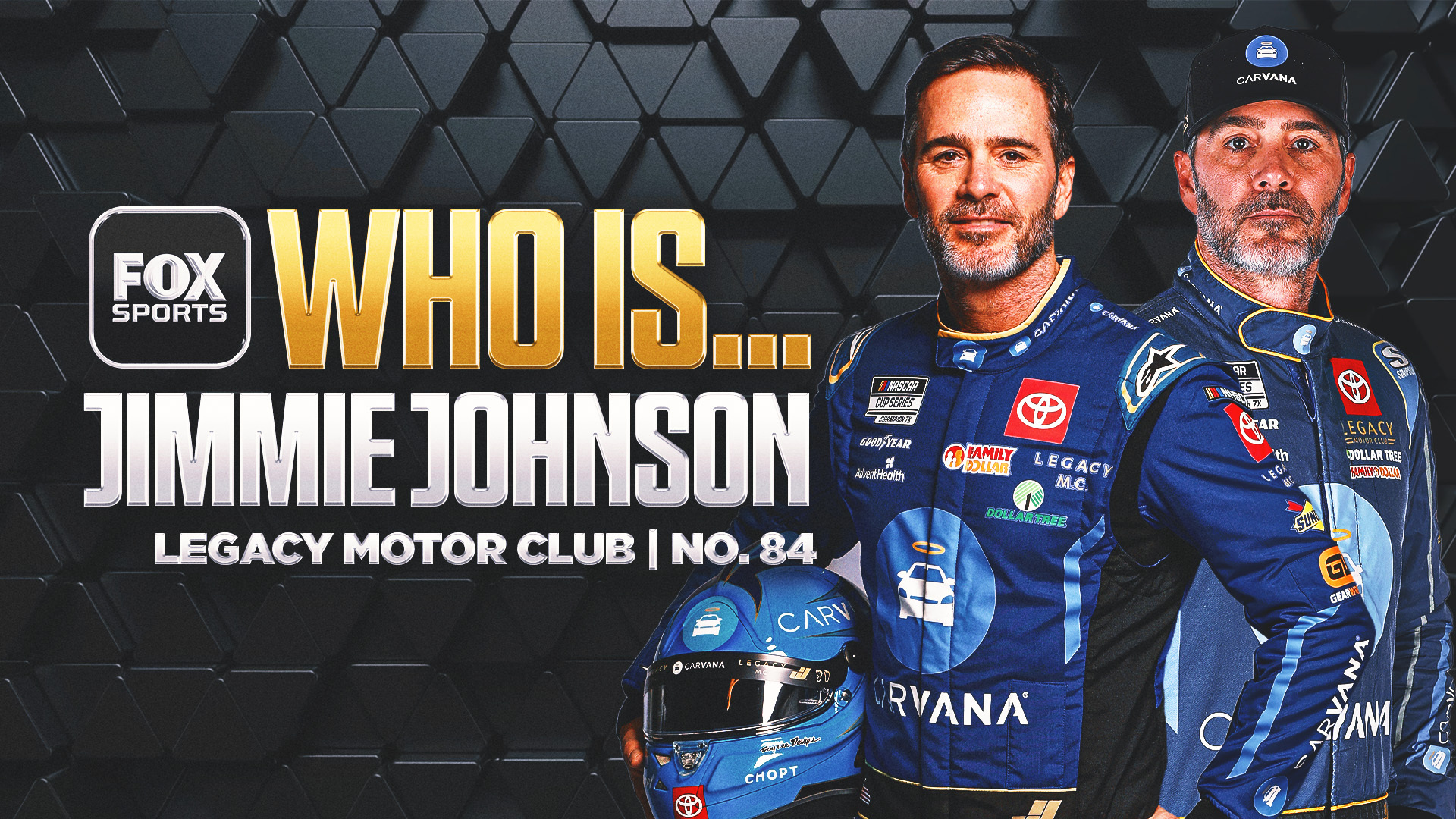
Who Is Jimmie Johnson? 7-Time Champ on Living Abroad & His Daytona 500 Future

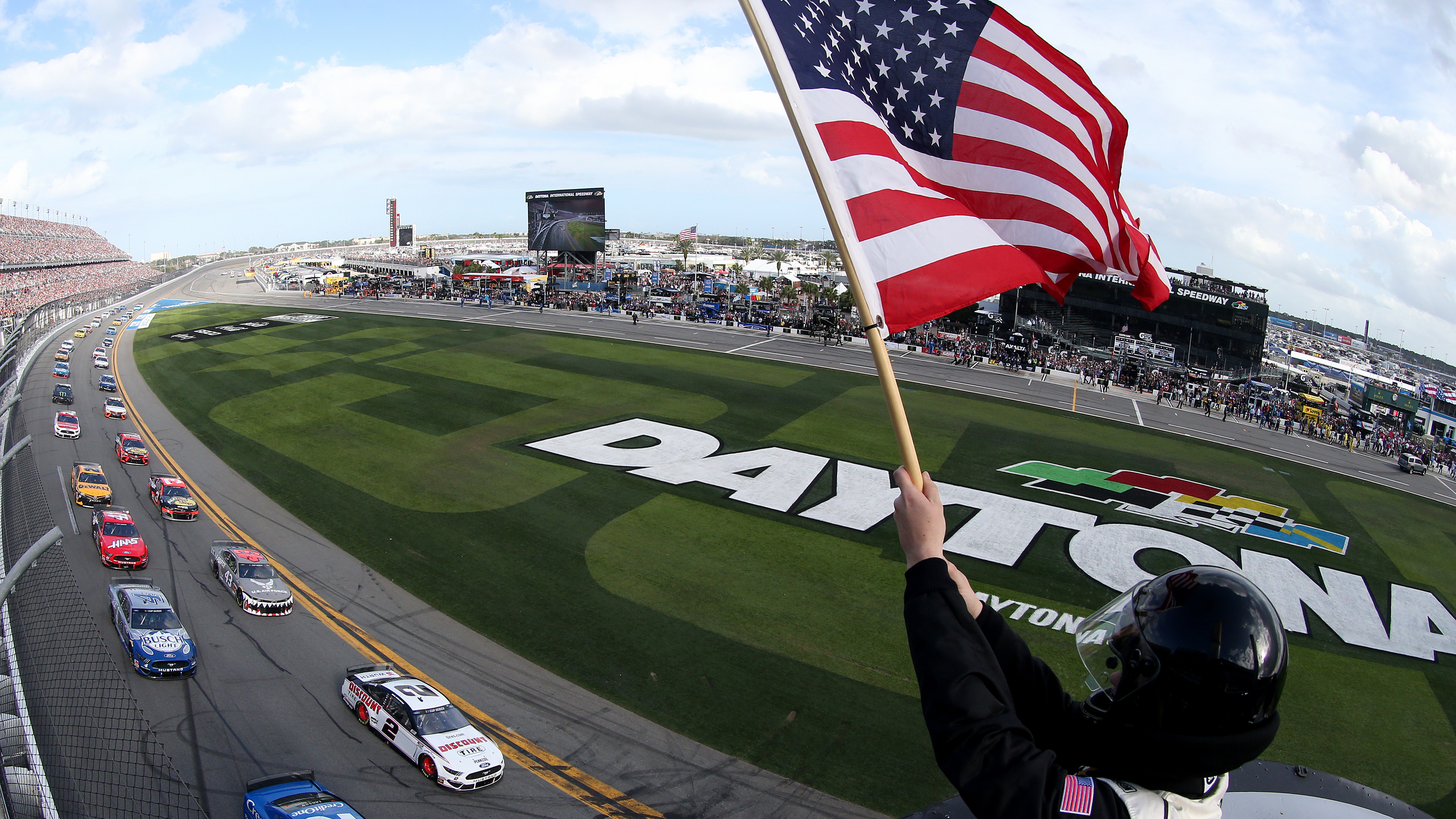
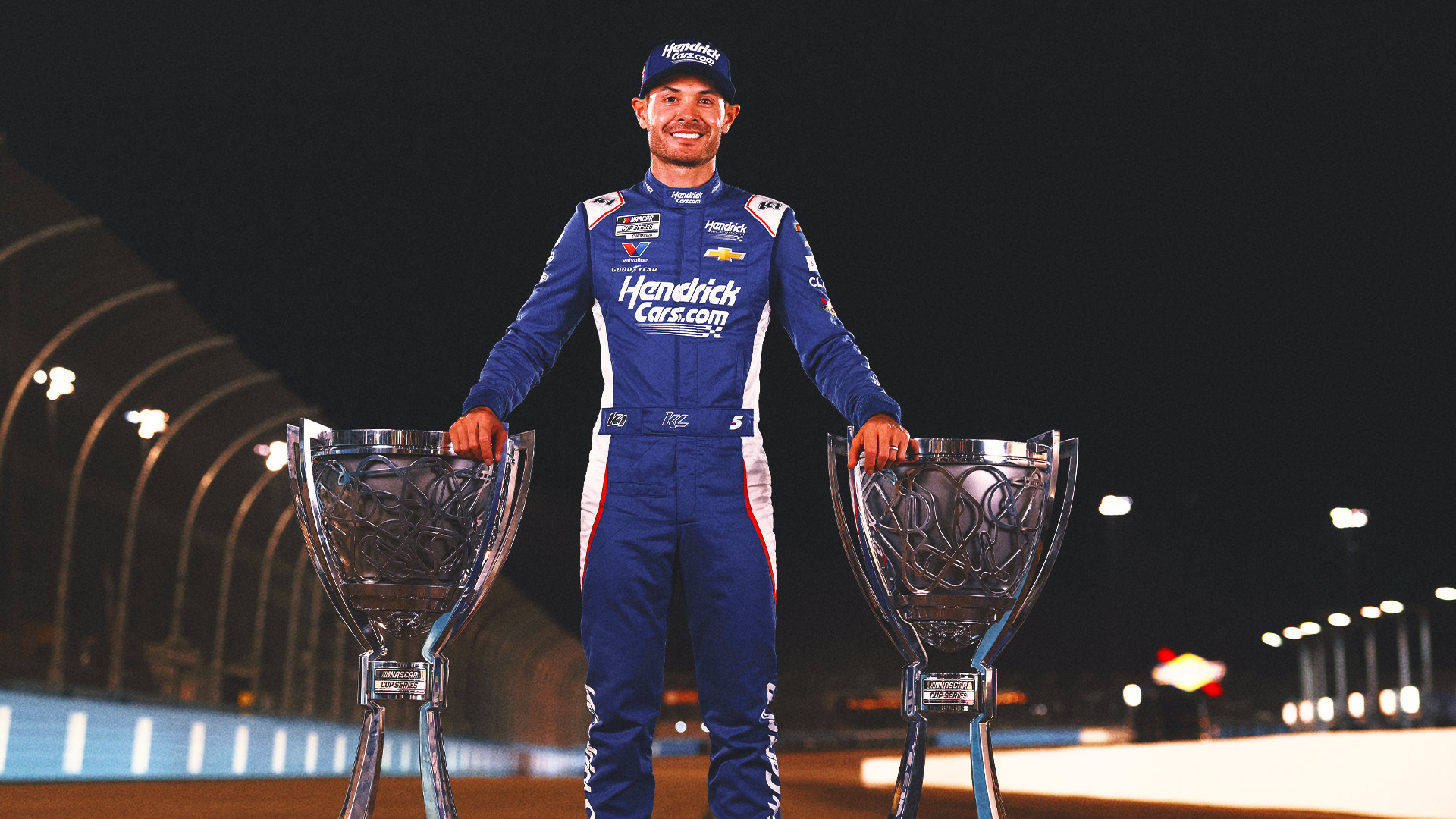
DAYTONA BEACH, Fla. — Seven-time Cup Series champion Jimmie Johnson left full-time NASCAR racing after the 2020 season. Some thought he would come back for another full year in 2021 in front of post-COVID fan-filled tracks, but Johnson was ready for his next adventure. He’s had plenty of next adventures, including a couple of years racing in INDYCAR and purchasing a stake in GMS Racing, eventually becoming the majority owner of what is now Legacy Motor Club, which plans to expand from two to three Cup cars in 2027. Johnson had moved to England for a couple of years before returning to the United States full-time in 2025. He is back in the states trying to guide his team to improved performance. He also has two Cup races on his schedule this year — the Daytona 500 (he has run it the last three years) and the one-time race at Naval Base Coronado, near his hometown of El Cajon, California. Johnson talked to me about who he is — especially in his post-full-time NASCAR racing life: Post-full-time NASCAR career, who is Jimmie Johnson? It’s a great question. I am more aware. It’s been a great way to reflect. I'm learning more about myself, who I was, what it took to be that person. You know competition demands so much out of you that you're on the hamster wheel but maybe don't have the awareness that you could or should, and the more time I spend away from that environment, the more aware I become. So it's a lot of reflection, I guess. How would your wife, Chani, describe you? I think at the core, she would say I'm so very much the same person — the work ethic, the journey, the motivation, my hours. Everything else is different, like my focus has shifted. I'm hopeful to train a couple of days a week. I’m still up so many hours and motivated by being a team owner and the things that go with it versus being out on a run in the morning. The hours and dedication are still very similar, but the pressure of [no longer] competing has brought awareness, peace, enjoyment, some other elements that I certainly think I'm much more aware of now. I think Chani would say the same. I remember when you helped open a street food restaurant in Charlotte. What's more difficult, owning a restaurant or owning a race team? A race team. I had great partners in either scenario, but the restaurant was founded in an environment that was enhanced by my participation, not dependent upon it. So you're saying that you're more relied upon on the race team side? Totally. I'm the approved owner of the charters. My involvement is in some contracts written in with our partners and sponsors and in other elements, it's maybe not in writing, but it's an understanding. The big business side of this — if I wasn't in it like I am, we wouldn't have the great partners that we do. You seem to be a guy who loves people and loves relationships. Legacy has certainly had its share of changes. So I'm curious, how hard is it for you to make personnel changes as an owner? Without question, the most difficult part I've played. Because coming in, I felt like I would spend more time in a competition department. I probably talked about it before. As we've been on this journey, we've realized that my strengths are in different areas, and also my interests are in different areas. [Former Cup champion and Legacy adviser] Matt Kenseth has been such an asset for me, personally, to have the competition side with that experienced, watchful eye that I thought I could offer and bring to and the accountability that I could to our drivers and crew chiefs. But I've been on the front lines of revenue generation, partnerships and finding investors, all these different layers. So it's been in a different scope of work, but highly relationship. Through that, we've had some turnover on the business ops side, but more turnover on the performance side. I haven't been directly in a lot of that, and that's an area that I've got to get more comfortable with and understand. But we've had groups that have evolved quite a bit, and there certainly have been plenty of tough conversations. So you're racing this year, you have at least two Cup races, a truck race (also at Coronado), an off-road race. Is that just the start, or is that mostly what you're going to do this year? Yeah, that's the bulk of it. There's a few historic car races I'll be playing in. I'll go to Monterey [California] this year and got a couple historic cars that I've purchased, and I'll have a chance to drive them in addition to the Goodwood revival [in England]. That’s it for now. If something came along, I'd certainly take a look at it. From a Cup standpoint and the at-track demands that I have, I'm far more effective and useful out of a race car. So the Cup side is kind of baked for ’26, but if other opportunities came about, I’d look real hard at them. What is the most Californian thing about you? I’d say my eating habits. Full Mex at all times, especially growing up as close to the border as I did. What I know when we talked when you kind of went INDYCAR racing, of the reasons you went is because you could and because it was something that you wanted to do and had the opportunity to do. And I'm curious, what other things have you been able to do because you could and you had opportunities that you maybe you never thought you would get a chance to do, or were your favorite things to be able to do? I would say each step that I've made, personally and professionally, [has] been looking through that lens. Our time in London, that was kind of a reward that Chani and I had for ourselves. When the full-time racing stopped, we wanted to live abroad. And then it delayed a couple of years due to my idea to go INDYCAR racing. And then it all came together, and I was an owner, and thought, ‘Man, maybe, maybe it's not a good time to go.’ And we had our tragedy [where investigators say his mother-in-law murdered her husband and her grandchild before killing herself], which then shifted it to, yeah, we should probably take advantage of this opportunity. It seems like a blessing that's for us to be a family unit and be together. And that turned into a second year [there]. That’s one that really stands out personally. And then professionally — I guess it's maybe not professionally in some respects — but driving that unlimited hydroplane [boat], committing to the [off-road race], committed to engage with a current partner and do cool things, Carvana and their support in this whole journey are like, what else do you want to do on that bucket list of ideas? So to create this fun opportunity with them, they're like, ‘Hey, what do you want to go and try and do?" We try and do come up with those ideas and just have fun with it. What do you miss most about not being in London? There was a sense of freedom. That first year was really tough, but when you got established, there was big sense of freedom. And it was a good moment for me to separate from this hamster wheel that I've been on. You’re abroad. You’re five, six hours ahead. Sure, I had obligations and stuff as an owner and a partner to Maury [Gallagher at GMS], but it was Maury calling the shots. He was still the majority owner. And my schedule lightened up, and it was a nice shift for me to let go in a lot of ways and be with my family. And so that freedom that being away offered in my position in the team as a minority owner, and then the family time — it was just window of time I'll always cherish. Are your teenage daughters into the 6-7 fad. And if they are, do you embrace it, or do you tell them that's not allowed in the house? They were. It's moved on to something else. When we try to be cool and bring it up, we get yelled at like, "You're not cool, that's so old, that's yesterday." But were you one who allowed it? Are you somebody who thinks there are other things to be worried about or fret over about. Or are you somebody who's like: I don't like it, we're not having it? No. The fads, we just laugh. It's funny. I remember feeling that my parents were so old and didn't get it, and I remember thinking, "I'll never be that." And before I knew it, and without any clear understanding, I don't know how to work my phone, I don't know the fads — any electronic device that I get handed, they’re like, "[Give it] here dad" and within a few clicks, they've got it. It's just wild when you're younger and you make little mental notes or whatever it might be, "I'm not going to be that." All of a sudden, you are that. And then finally, is this going to be your last Daytona 500? No, no, no. That was a quick answer. Yeah. Especially owning the team. I can call these shots, do what I want. So, yeah, without a doubt, there's a trend of things slowing down. But this won’t be my last 500. What is it about the Daytona 500 that keeps bringing you back? What's the best way to put it? Last year, I finished third. And when I go to other Cup races, and when you're not a regular with a regular team, squeezing out that last little sliver of speed week in and week out, you're just not in the window of the win. And it's just a harsh truth, and one that I've accepted recently. And when I look over time and the unpredictable winners of a restrictor-plate race and also of the Daytona 500, why wouldn't I? I can go get another one, get my 84th [win]. So it just works well with a part-time or a moonlight or whatever the right phrase would be. I think plate races in general, and then, of course, if you're going to do it, you may as well do the big one.
What's Your Reaction?
 Like
0
Like
0
 Dislike
0
Dislike
0
 Love
0
Love
0
 Funny
0
Funny
0
 Angry
0
Angry
0
 Sad
0
Sad
0
 Wow
0
Wow
0